

From Planning to Handover: The Building Process Behind 72 Crossroads
For developers and engineering teams, successful construction requires control of quality, cost, and schedule. That starts with clear responsibilities, coordinated design, and timely decisions throughout the building process.
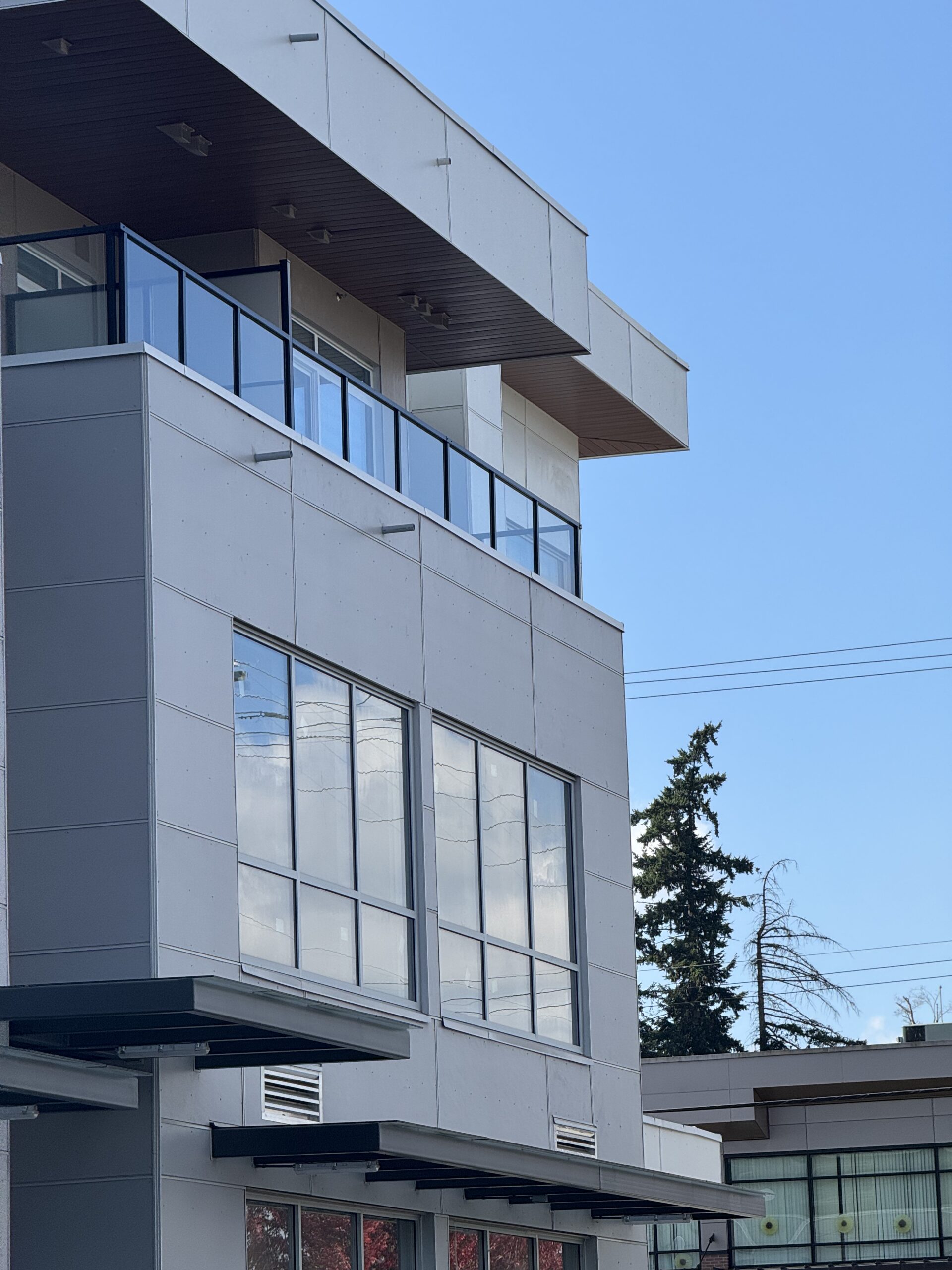
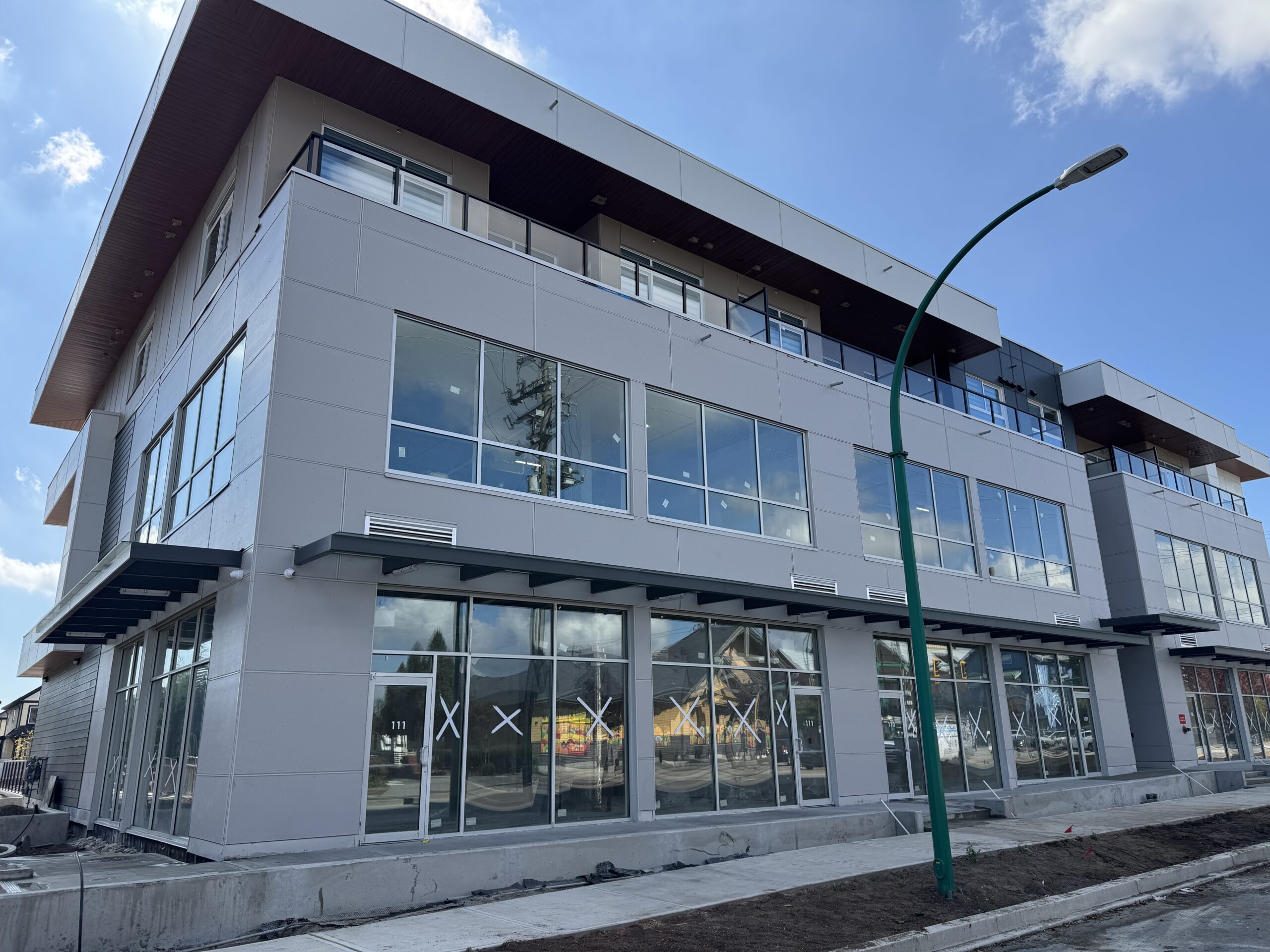
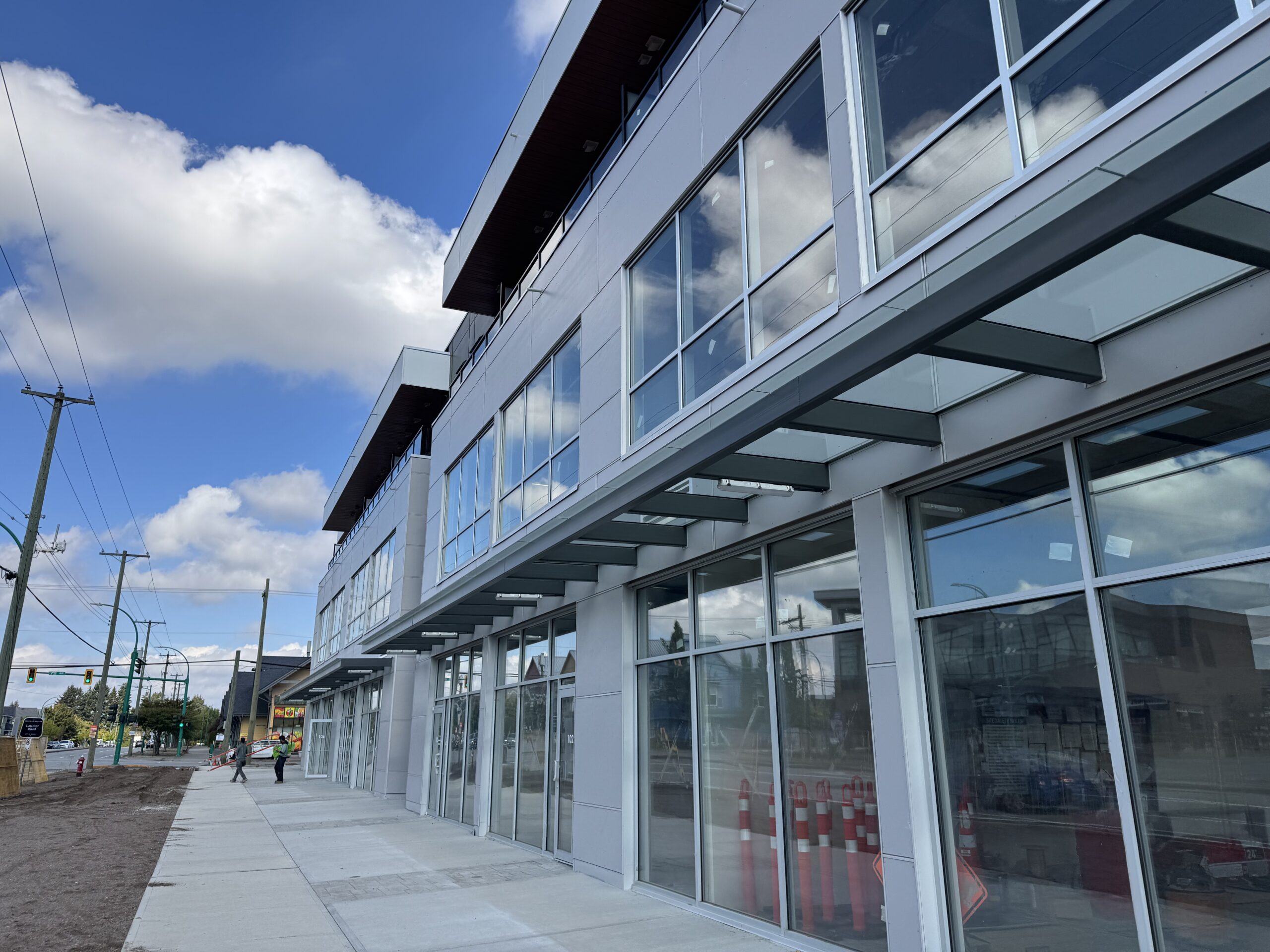
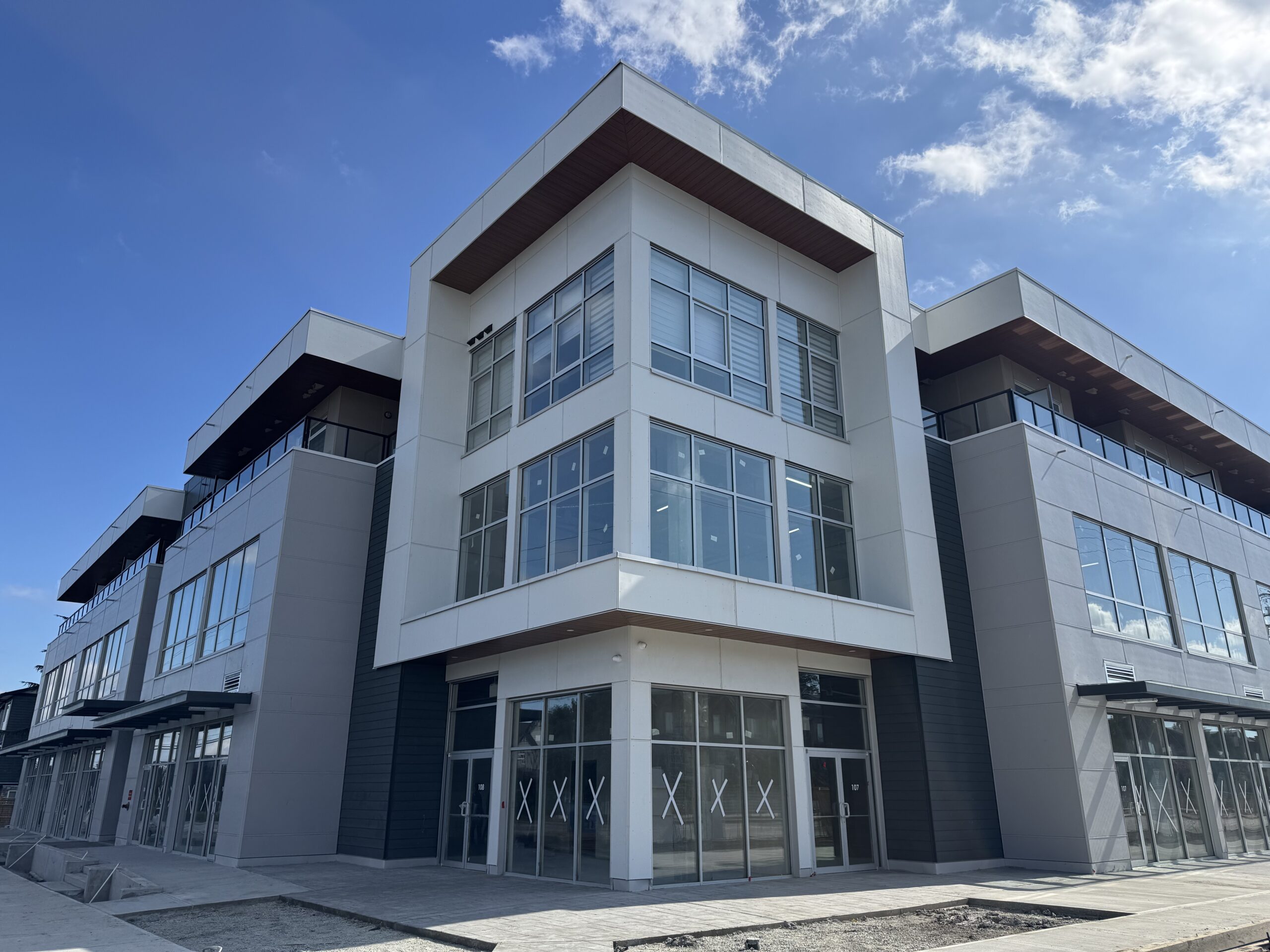
72 Crossroads in Surrey’s Clayton Heights neighbourhood brings these priorities into focus. Developed by Young Earth Developments at 192 Street and 72 Avenue, the project combines concrete one- and two-bedroom homes with retail and office space. Integrating these uses requires careful coordination between the structure, building services, envelope, and interiors.
ICE Group of Companies supports this process through integrated development, design, and construction services, with an emphasis on early collaboration and site oversight.


1. Define the scope and delivery plan
Before construction begins, owners, consultants, and builders need a shared understanding of scope, responsibilities, budget, and milestones. For mixed-use developments, defining the boundary between base-building construction and future tenant improvements helps prevent gaps in pricing and servicing.
ICE GOC emphasizes early involvement, creating opportunities to align design decisions with construction requirements before work reaches the site.
2. Coordinate design before installation
Architectural, structural, mechanical, and electrical systems must function together. In concrete construction, service openings, embedded components, equipment access, and ceiling clearances require early coordination.
Constructability reviews help identify conflicts while they are easier to resolve. Clear responsibility for design questions, response deadlines, and documented decisions helps reduce rework and interruptions during construction.
3. Align procurement with the schedule
Materials and equipment must be ready when the installation sequence requires them. Procurement planning should allow time for shop drawings, consultant review, fabrication, and delivery.
Long-lead items, such as elevators or electrical equipment, deserve early attention. Connecting procurement to construction milestones helps teams identify potential delays before they affect site progress.
4. Manage site activities and trade coordination
Construction progresses through foundations, structure, enclosure, building services, and finishes. Each stage depends on preceding work being ready.
ICE GOC’s construction management services include daily site oversight, trade and vendor management, and stakeholder communication. Effective coordination combines major milestones with short-term planning, checking that drawings, materials, access, and required reviews are in place before work proceeds.
5. Verify quality throughout construction
Quality checks should follow the construction sequence. Relevant reviews may include reinforcing and embedded items before concrete placement, along with waterproofing and envelope details before they are concealed.
Inspections and testing must reflect project specifications and consultant requirements. Maintaining clear records helps teams track outstanding issues and verify corrective work before subsequent activities make access more difficult.
6. Control changes and communicate impacts
Design clarifications, site conditions, and owner requests can affect delivery. Each change should be assessed for scope, cost, schedule implications, and the date a decision is required.
For enterprise clients, concise reporting supports timely approvals and keeps stakeholders informed about risks to upcoming milestones.
7. Prepare for commissioning and handover
System testing, commissioning, deficiency correction, documentation, and applicable occupancy approvals all require time in the schedule.
Planning these activities early helps coordinate residential and commercial readiness. Operating manuals, warranties, as-built information, and owner training support the transition from construction into building operation.
A coordinated approach to project delivery
72 Crossroads illustrates the coordination required to bring residential and commercial spaces together. From early planning through handover, clear accountability and proactive management provide a stronger foundation for quality construction and dependable delivery.
Planning a mixed-use, commercial, or multi-residential development? Contact ICE Group of Companies to discuss your project requirements and delivery priorities.